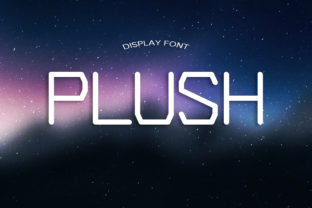
Plush: A Bold Display Font for Web Design
As a web designer, finding the right typeface can make or break a design. Plush is a display font that stands out with its blocky sans serif style, offering a fresh and modern look that works well across digital platforms. Its clean lines and strong presence make it ideal for headers, logos, and other key visual elements that need to command attention.
Plush has a distinctive personality that blends simplicity with character. The font’s blocky structure gives it a playful yet professional edge, making it versatile for both creative and corporate applications. Whether you're designing a landing page, a social media graphic, or a brand identity system, Plush brings a unique energy that can elevate your design work.
Using Plush in Web Design
Plush excels in areas where visual impact is key. It’s perfect for hero sections, call-to-action buttons, and section headings that need to stand out without overwhelming the reader. Its boldness ensures that it remains legible even at smaller sizes, making it a great choice for mobile-responsive designs.
In a creative portfolio, Plush can be used to highlight project titles or service offerings. For a boutique online store, it adds a touch of personality to product banners and promotional text. On a coaching website, it helps reinforce a confident and approachable brand tone through clear, impactful typography.
When used in short phrases or as a logo font, Plush maintains its clarity and charm. It’s less suited for long blocks of body text but shines when used strategically to guide user attention and establish a visual hierarchy.
Readability and Visual Hierarchy
One of the strengths of Plush is its ability to enhance readability while maintaining a strong visual presence. Its consistent stroke widths and open counters ensure that each character is easy to distinguish, even on small screens or against busy backgrounds.
For mobile users, Plush works well when paired with a simple sans serif font for body copy. This combination creates a balanced layout that’s easy to scan while keeping the design engaging. On dark backgrounds, the font’s contrast helps maintain legibility, and on light backgrounds, it adds a subtle pop that draws the eye.
When placed over images or gradients, Plush retains its clarity, making it an excellent choice for banners and overlays. Its versatility allows it to adapt to different design contexts without losing its identity.
Font Pairing and Brand Identity
Pairing Plush with complementary fonts can help create a cohesive design language. A clean, minimal sans serif like Open Sans or Lato can serve as a reliable partner for body text, balancing the boldness of Plush while maintaining a professional feel.
For editorial or more traditional designs, pairing Plush with a serif font like Georgia or Playfair Display can add depth and sophistication. This contrast highlights the font’s modern qualities while adding a timeless touch to the overall aesthetic.
When building a brand identity, Plush can act as a cornerstone element. It reinforces a brand’s tone and message, whether the goal is to appear innovative, friendly, or authoritative. Consistent use of the font across all digital assets helps build a strong and recognizable online presence.
Practical Applications of Plush
On a product landing page, Plush can be used for headline text and CTA buttons, drawing attention to key selling points. In a course sales page, it adds a sense of urgency and clarity to headlines and pricing sections.
For blog headers, Plush provides a visually striking way to introduce content without distracting from the main message. In digital ads, it helps convey the core message quickly and effectively, making it ideal for limited space and high-impact messaging.
When designing a digital brand kit, Plush offers a flexible foundation for everything from website headers to social media graphics. Its blocky structure makes it suitable for both print and screen, ensuring consistency across all brand materials.
Commercial Use and Licensing
Before using Plush in client projects or commercial websites, it’s important to verify the licensing terms. Most premium fonts come with specific rights for web use, which may include embedding via webfonts or using the font in digital templates.
Ensure that the font includes the necessary file formats such as WOFF, WOFF2, and TTF for optimal performance across different browsers and devices. Checking for multilingual support is also essential if the design will be used in multiple regions or languages.
By choosing a font like Plush, designers gain access to a powerful tool that enhances visual storytelling and strengthens brand communication. Its unique style and practical usability make it a valuable addition to any digital design toolkit.